When to consider oral pathology consultations
If you are experiencing any of the following concerns, schedule a consultation so Dr Truong can perform a thorough assessment and recommend the most predictable solution.
- Persistent ulcers or white/red patches in the mouth
- Swelling, lumps, or cysts in the jaw or soft tissues
- Unexplained numbness, bleeding, or pain
- Radiographic lesions identified by a dentist
Treatment steps
Step 1: Clinical examination and imaging
Detailed assessment alongside radiographs or CT scans to understand lesion extent.
Step 2: Biopsy or excision
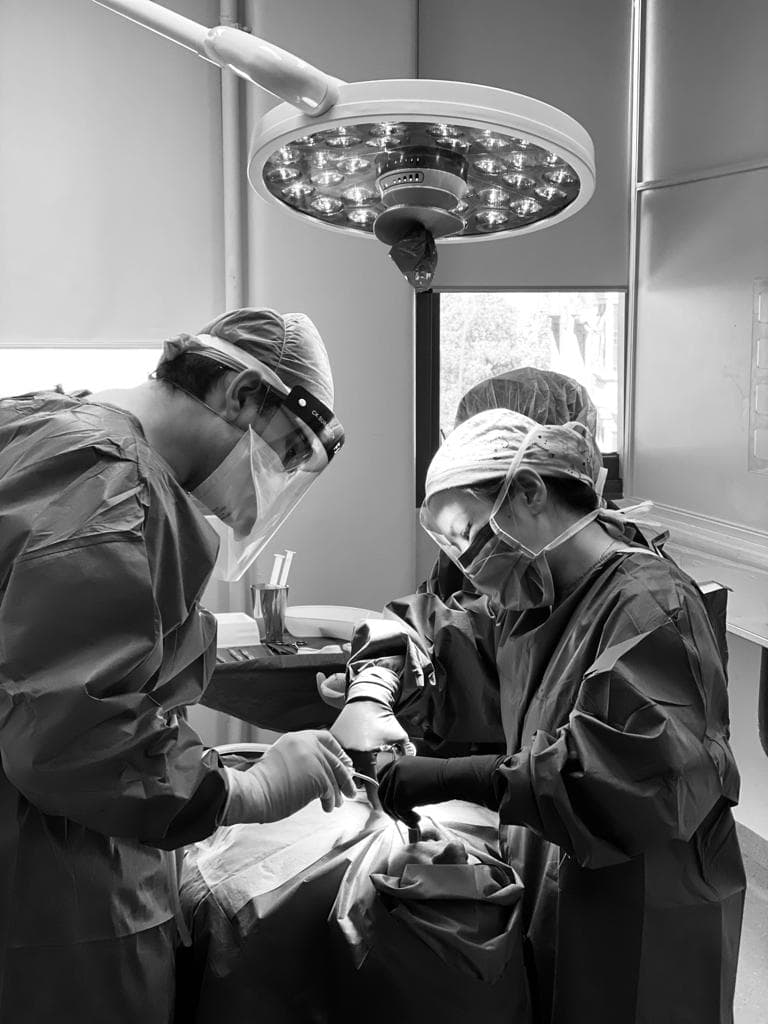
Incisional or excisional biopsies are performed under local anaesthesia or sedation to obtain diagnostic tissue.
Step 3: Pathology reporting
Samples are analysed by specialist oral pathologists. Reports guide the definitive management plan.
Step 4: Treatment and follow-up
Management may include surgical excision, referral to oncology teams, or ongoing surveillance.
Recovery timeline
- Post-biopsy discomfort is usually mild and managed with analgesics.
- Follow dietary instructions to protect sutured sites.
- Monitor the area for changes and attend scheduled reviews.
- Seek urgent care if significant bleeding or swelling occurs.
Risks & precautions
- Bleeding or infection at the biopsy site.
- Scar formation depending on the lesion location.
- Requirement for additional surgery if pathology indicates.
- Emotional impact—support is available through allied providers.
Follow-up advice
- Bring a full medical history and medication list to the consultation.
Next steps
Book a consultation to review imaging, discuss sedation options, and plan a treatment timeline that aligns with your goals. Second opinions are welcome and referrals are not required for patients seeking advice.
Helpful resources: