When to consider bone grafting
If you are experiencing any of the following concerns, schedule a consultation so Dr Truong can perform a thorough assessment and recommend the most predictable solution.
- Areas of bone loss visible on X-rays or scans
- Previous extraction site with significant resorption
- Need for implant placement in thin or deficient bone
- Collapse of gum contour affecting aesthetics
Treatment steps
Step 1: Assessment and graft selection
CBCT imaging determines the volume required. Options include autogenous bone, allograft, xenograft, or synthetic substitutes.
Step 2: Site preparation
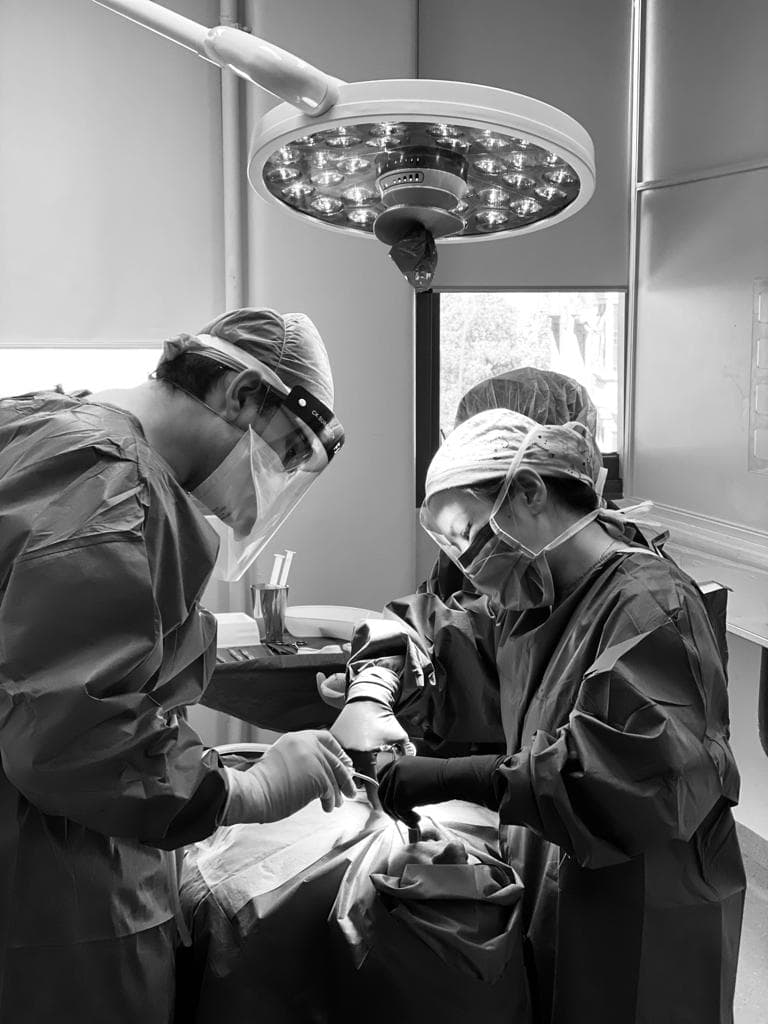
Soft tissue is gently elevated, and the recipient site is prepared to receive the graft material securely.
Step 3: Graft placement and stabilisation
Grafts are shaped and fixed with membranes or titanium mesh when needed to protect the graft during healing.
Step 4: Healing and review
Over 4–6 months bone remodels and integrates. Review imaging confirms readiness for implant placement.
Recovery timeline
- Swelling and mild bruising are common for 3–5 days.
- Avoid pressure on the grafted site and follow dietary instructions.
- Meticulous oral hygiene with prescribed antimicrobial rinses.
- Report any membrane exposure or unusual discomfort promptly.
Risks & precautions
- Partial resorption requiring additional grafting.
- Infection or graft exposure if oral hygiene is inadequate.
- Membrane or fixation device irritation.
- Delayed implant placement if healing is prolonged.
Follow-up advice
- Smoking significantly compromises graft success—cessation is strongly recommended.
Next steps
Book a consultation to review imaging, discuss sedation options, and plan a treatment timeline that aligns with your goals. Second opinions are welcome and referrals are not required for patients seeking advice.
Helpful resources: